

When people think about exercise and diabetes, cardio usually gets all the attention. Walking, cycling, and running are often recommended—but strength training deserves a place in the conversation too. Research suggests that maintaining healthy muscle mass may support glucose metabolism and overall health.
Why Muscle Matters More Than Many People Realize

Some scientific research you need to understand, even if it seems dry and complicated.
Skeletal muscle is the body's largest site for insulin-stimulated glucose uptake — it's where most of the sugar from a meal ends up, provided insulin is doing its job. In type 2 diabetes, muscle cells become resistant to insulin's signal, so glucose builds up in the blood instead of being absorbed and stored in muscle. A 2025 review in Circulation Research found that exercise training directly counters several of the molecular defects behind this resistance, including improved blood flow to muscle tissue and better glucose transport into cells.
More muscle also means more storage capacity. The more metabolically active your muscle tissue is, the more glucose it can take up and use — and muscle contraction itself opens a separate pathway for glucose uptake that doesn't depend on insulin at all.
Building Muscle Starts With What You Eat
Protein is one of the most important building blocks for muscle synthesis. Throughout the strength training process, ensuring an adequate intake of both animal and plant-based proteins is the primary way to increase muscle mass.
In general, animal-based foods tend to have higher protein content and better protein quality than plant-based foods. Middle-aged and older adults may want to moderately increase their intake. Here are some recommended sources of protein:
- Milk
- Lean beef
- Chicken breast
- Shrimp
- Eggs
- Chinese Tofu
Follow an Effective Strength Training Program
Resistance training directly stimulates skeletal muscle, increasing the number of capillaries within it, enhancing blood supply, and boosting the muscle’s uptake of glucose.
Research suggests that a moderate, progressive approach is effective for most adults.
| Goal | General Recommendation* |
| Frequency | 2–3 sessions per week |
| Intensity | Moderate to vigorous (about 70–80% of one-repetition maximum) |
| Sets | 2–3 sets per exercise |
| Rest | About 60–90 seconds between sets |
| Progression | Gradually increase resistance as tolerated |
*General examples derived from research and exercise guidance. These are not personalized medical recommendations.
The goal isn't to lift the heaviest weight possible. Instead, focus on consistent training, proper technique, and gradual progress over time.
Exercising Safely When You're on Insulin
Resistance training changes how your body uses glucose, and if you take insulin, your usual dose might not match what your muscles need on training days. The ADA recommends checking your blood glucose before you start; if it's at or below 100 mg/dL, have 15 to 20 grams of fast carbs first, then recheck after 15 minutes and repeat if needed.
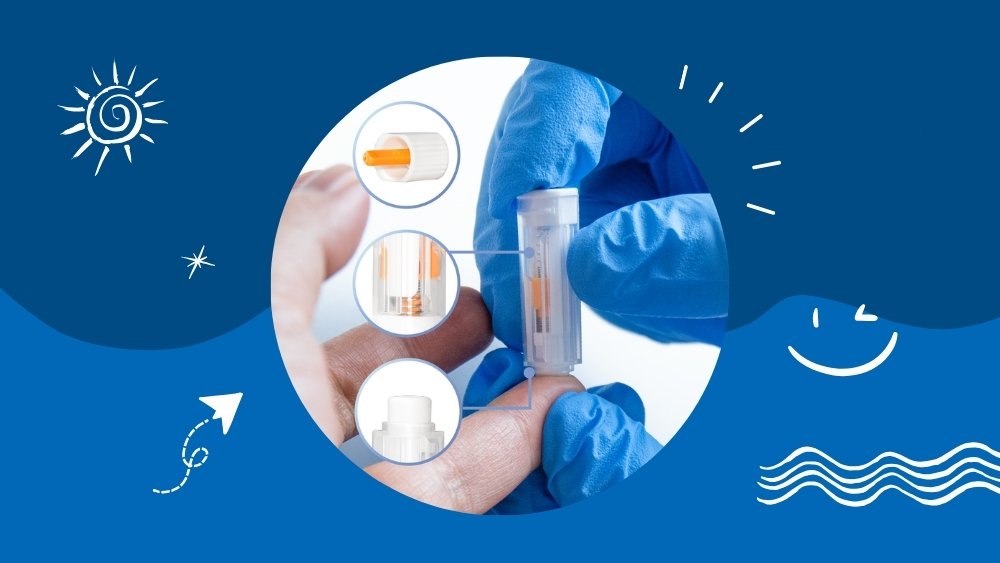
It’s a good idea to pack a simple travel kit for this purpose: it should include a blood glucose meter or continuous glucose monitor (CGM), snacks with fast-acting carbohydrates, and supplies for an insulin injection (if you plan to inject after your workout). If you’re managing your diabetes with insulin syringes, consider trying Sensifine insulin syringes. These syringes are calibrated specifically for U-100 insulin and come in reliable, sterile, individually packaged units, making them convenient to carry whenever you’re on the go.

Final Thoughts
For people with diabetes, building muscle doesn’t mean becoming a bodybuilder; rather, it’s about improving physical strength to support daily activities—whether that’s carrying groceries, climbing stairs, or staying active as they age.
When combined with a healthy diet, regular medical care, and consistent self-management, strength training can be an important part of a high-quality life for people with diabetes.
FAQ
How often should I do strength training if I have diabetes?
The American Diabetes Association recommends 2 to 3 sessions a week on nonconsecutive days, working the major muscle groups. Research on dose-response suggests programs lasting 12 to 16 weeks tend to show the clearest improvements in blood sugar markers.
Can building muscle help me use less insulin?
It's possible. More muscle mass means more capacity to store and use glucose, which can improve insulin sensitivity over time. But insulin needs are individual, and any dose changes should go through your diabetes care team, not trial and error.
Is resistance training safe for older adults with diabetes?
Research focused specifically on middle-aged and older adults with diabetes found resistance training improved blood sugar and strength without raising the risk of adverse events. Still, start with lighter loads, focus on form, and check with your doctor before beginning a new program.
Disclaimer: This article is for educational purposes only and should not replace professional medical advice. Blood glucose responses and insulin needs vary between people with diabetes. Always consult your diabetes care team before starting a new exercise program or changing your diabetes management plan.
References:
- Whytock, K. L., & Goodpaster, B. H. (2025). Unraveling skeletal muscle insulin resistance: Molecular mechanisms and the restorative role of exercise. Circulation Research, 137(2), 184–204. https://doi.org/10.1161/CIRCRESAHA.125.325532
- Su, W., Tao, M., Ma, L., Tang, K., Xiong, F., Dai, X., & Qin, Y. (2023). Dose-response relationships of resistance training in Type 2 diabetes mellitus: A meta-analysis of randomized controlled trials. Frontiers in Endocrinology, 14, 1224161. https://doi.org/10.3389/fendo.2023.1224161
- Barg, M., Idiart-Borda Polotto, V., Geiger, S., et al. (2025). Effects of home- and gym-based resistance training on glycemic control in patients with type 2 diabetes mellitus: A systematic review and meta-analysis. Diabetology & Metabolic Syndrome, 17, 228. https://doi.org/10.1186/s13098-025-01793-7
- Dadzie, A. Q., Babae, P. M. N., & Ruku, D. M. (2025). The effects of resistance training on hemoglobin A1c, body mass index, and muscle strength in patients with diabetes mellitus based on age (middle-aged and older adults): A systematic review and meta-analysis. Osong Public Health and Research Perspectives, 16(6), 534–551. https://doi.org/10.24171/j.phrp.2025.0268
- Colberg, S. R., Sigal, R. J., Yardley, J. E., et al. (2016). Physical activity/exercise and diabetes: A position statement of the American Diabetes Association. Diabetes Care, 39(11), 2065–2079. https://doi.org/10.2337/dc16-1728
- American Diabetes Association. Understanding blood glucose and exercise. diabetes.org. https://diabetes.org/health-wellness/fitness/blood-glucose-and-exercise

Leave a comment
All comments are moderated before being published.
This site is protected by hCaptcha and the hCaptcha Privacy Policy and Terms of Service apply.