
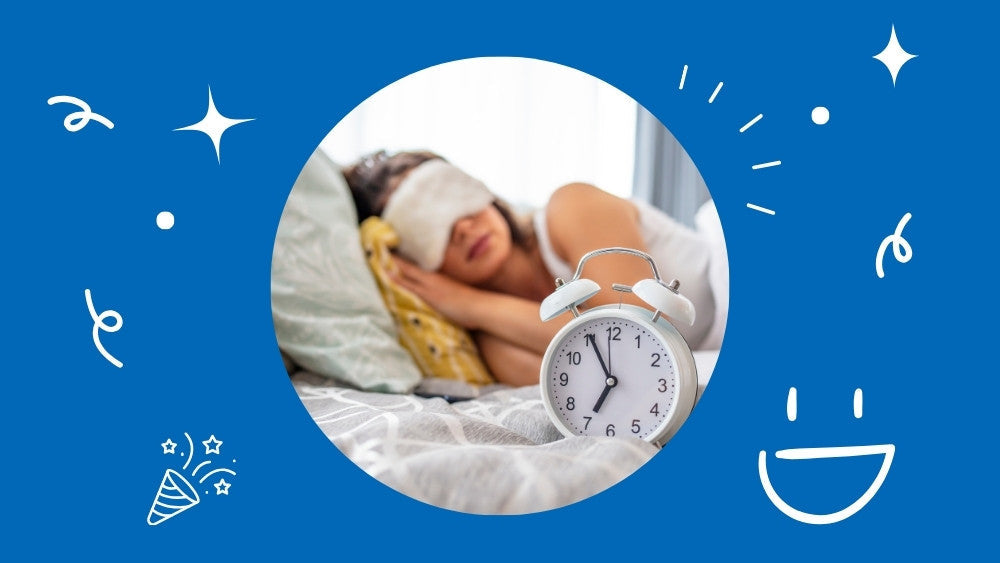
If you or a family member has been diagnosed with a possible case of diabetes, you (or your family member) may find yourself focusing your energy on monitoring blood sugar levels.
There’s nothing wrong with that. However, you may be devoting so much energy to blood sugar management that you’re overlooking a major aspect of your life—sleep.
Sleep Is More Than Just Rest
Research over the past decade has shown that sleep and diabetes are closely connected. Both the amount of sleep you get and the quality of that sleep may influence insulin sensitivity, glucose metabolism, appetite regulation, and overall well-being. At the same time, living with diabetes can also make it harder to get consistent, restorative sleep.
Understanding this two-way relationship can help you build healthier daily habits and support long-term diabetes management.
Understanding the Relationship Between Sleep and Diabetes
Poor sleep can lead to changes in hormones that regulate appetite, stress responses, and insulin sensitivity. Over time, these changes may make blood sugar management more difficult.
On the other hand, people with diabetes may encounter factors that affect their sleep, such as nighttime blood sugar fluctuations, frequent urination, discomfort, and concerns about nighttime hypoglycemia.
Many experts no longer view sleep and diabetes care as separate issues but rather consider sleep an integral part of a healthy lifestyle.
The 3 Main Causes of Poor Sleep
1. Mental Stress
Symptoms: Lying in bed and repeatedly dwelling on medical test results, work, or personal life, finding it increasingly difficult to fall asleep the more one thinks about these things.
2. Lifestyle Habits
These Habits Are “Stealing” Your Sleep
- Pre-bedtime Entertainment: Short Videos, the World Cup, Soap Operas, etc.
- Eating the Wrong Foods Before Bed
- Irregular Daily Routines
3. Poor Environment
An uncomfortable sleeping environment makes it difficult to get a good night's sleep.
- Excessively bright ambient light
- Noise interference
- Uncomfortable bedding
Some Tips for Better Sleep—Try Them Tonight
-
Stay Physically Active
You can engage in some moderate physical activity, such as brisk walking, jogging, or yoga, up to 3 hours before bedtime.
-
Adjust Your Pre-Bedtime Diet
Avoid drinking coffee, tea, or energy drinks within one hour of bedtime. This may make it harder to fall asleep.
-
Creating a Comfortable Sleeping Environment
Light: Try using blackout curtains and turn off most of the lights; you can leave a dim nightlight on.
Sound: Keep the environment quiet while falling asleep; use earplugs or a white noise machine to block out external disturbances.
Bedding: Choose a pillow of the right height and a mattress of moderate firmness, and wear loose-fitting pajamas.
-
Relaxing Before Bed
You can use lukewarm water at around 105 degrees Fahrenheit to wash your body before bed.
Take 5–10 minutes to meditate and relax, clearing your mind of distracting thoughts. -
Keep a Consistent Sleep Schedule
Going to bed and waking up at similar times each day helps support your body's natural circadian rhythm.
Small Routines Can Make a Big Difference
Preparing for the next day before going to bed helps maintain a regular routine.
For people who manage their diabetes with an insulin pen, check your bag to make sure you have these diabetes supplies with you. While these supplies don’t directly affect your sleep, staying organized can help reduce anxiety as your injection time approaches and promote more consistent self-management.
When to Talk With Your Healthcare Provider
Occasional poor sleep is common. However, if you regularly experience symptoms such as:
- Difficulty falling asleep
- Frequent nighttime awakenings
- Loud snoring
- Excessive daytime sleepiness
- Persistent fatigue despite adequate sleep
it's a good idea to discuss these concerns with your healthcare provider. Sleep disorders are relatively common among people living with diabetes, and identifying underlying causes may help improve overall health.
Final Thoughts
Healthy diabetes management extends beyond food choices and physical activity. Sleep is another important lifestyle factor that deserves attention.
While improving sleep alone is not a treatment for diabetes, building consistent sleep habits may support overall well-being and complement other healthy lifestyle practices. Along with balanced nutrition, regular exercise, and dependable diabetes supplies, good sleep can become another part of a sustainable daily routine.
DISCLAIME: This article is for informational purposes only and does not constitute medical advice. Individuals should consult a qualified healthcare professional for guidance tailored to their personal health needs.


Leave a comment
All comments are moderated before being published.
This site is protected by hCaptcha and the hCaptcha Privacy Policy and Terms of Service apply.