
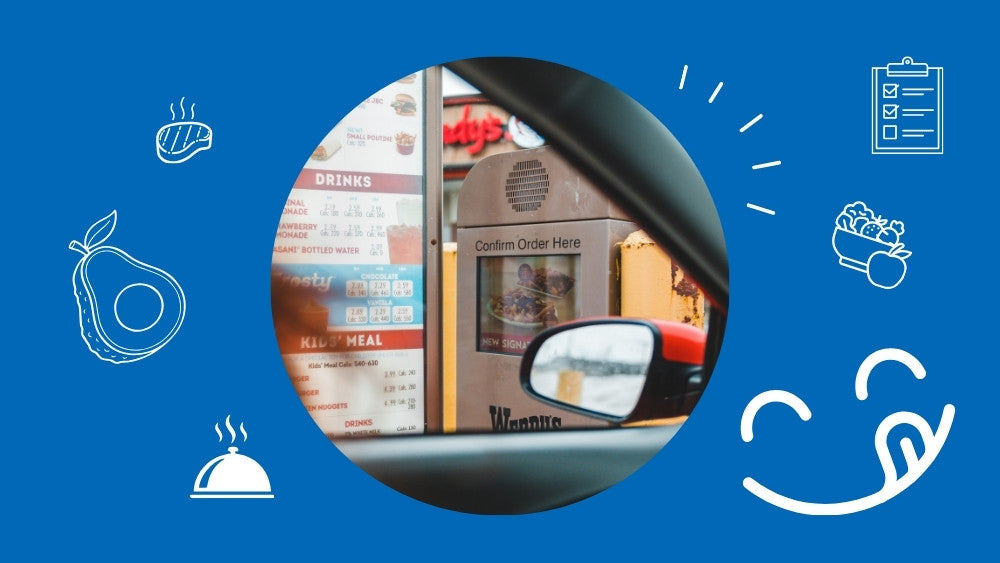
Let's clear up one myth right away:
"Having type 1 diabetes doesn't mean fast food is completely off-limits."
The real challenge isn't "whether" you eat fast food—it's understanding "how fast food behaves inside your body".
A cheeseburger isn't just carbohydrates. Fries aren't just potatoes. That fried chicken sandwich? It's actually a complicated mix of carbs, fat, and protein that can affect blood glucose hours after you've finished eating.

If you've ever thought:
"I counted my carbs perfectly...so why did my glucose spike four hours later?"
"Why does pizza always seem to have its own rules?"
"Can I trust the nutrition facts on the restaurant app?"
You're asking exactly the right questions.
Let's break down what really happens—and how to make smarter fast food choices without giving up your favorite meals.
Why Fast Food Is Different for People with Type 1 Diabetes
Fast food is often packed with three things:
- Refined carbohydrates
- Large amounts of fat
- High protein portions
Each one affects blood glucose differently.
Most people focus on carbohydrate counting—and that's still essential—but fat and protein can significantly change when your blood sugar rises, making insulin timing much more challenging.
Instead of causing one quick glucose spike, many fast food meals create a delayed spike several hours later.
The "Pizza Effect": Why Your Blood Sugar Rises Hours Later
One of the best-known challenges in type 1 diabetes is something many people call the "Type 1 diabetes pizza effect".
Despite the name, it isn't just about pizza.
A double cheeseburger, crispy chicken sandwich, fries, or bacon-loaded burger can create the same pattern.
Researchers published a landmark study in Diabetes Care showing that when meals contain the same amount of carbohydrates and protein, the higher-fat meal still caused significantly higher blood glucose 3–5 hours after eating.
Why?
Because dietary fat can:
- Slow stomach emptying
- Reduce insulin sensitivity
- Delay carbohydrate absorption
Think of fat as the traffic jam for digestion.
Instead of carbohydrates entering your bloodstream quickly, they're released much later—sometimes long after your mealtime insulin has finished working.
That's why your CGM may look perfectly flat for two hours...then suddenly decide to throw a surprise party.
Carb Counting at Fast Food Isn't Always as Accurate as You Think
Carb counting at fast food is incredibly helpful—but it's not perfect.
Most major chains publish nutrition information online, which is a great starting point.
However, real-life meals don't always match the numbers.
A study published in JAMA found that actual restaurant foods sometimes contained substantially more calories than listed, with some menu items exceeding labeled values by nearly 18% on average. Portion sizes, extra sauce, cheese, or slight preparation differences all contribute to these variations.
In the United States, nutrition labels are also allowed a reasonable margin of variation under FDA regulations.
So instead of assuming the menu numbers are exact, think of them as well-informed estimates.
Tips for Better Carb Counting at Fast Food
- Check the restaurant's official nutrition guide before ordering.
- Be cautious with sauces and dressings—they often contain hidden carbohydrates.
- Large fries and soft drinks usually contribute more carbs than people expect.
- Watch your CGM trends after meals to learn how your favorite orders affect your body.
Your own glucose data is often the best teacher.
Protein Can Also Cause Delayed Spikes
Here's another surprise.
Many people assume a meal without much bread means very little glucose impact.
Not necessarily.
Recent research suggests that large amounts of protein may also contribute to higher blood glucose several hours after eating in people with type 1 diabetes.
Unlike people without diabetes, individuals with T1D don't have the same natural insulin response to balance increased glucagon activity after a high-protein meal.
As a result, the liver may gradually release more glucose into the bloodstream over the following hours.
That means meals like:
- Bunless burgers
- Large grilled chicken meals
- Steak bowls
- Double meat sandwiches
may still contribute to delayed spikes, even when carbohydrate intake seems relatively low.
Build a Better Fast Food Meal

Good news—you don't necessarily need to skip your favorite restaurant.
Sometimes small adjustments can make a meaningful difference.
Clinical nutrition guidelines from ISPAD recommend combining higher-GI foods with fiber-rich foods to help slow carbohydrate absorption and create a smoother post-meal glucose curve.
Try these simple upgrades:
| Try | Instead of |
| Burger + side salad + water or unsweetened tea | Burger + large fries + soda |
| Apple slices or another fiber-containing side when available | Extra fries |
| Zero-sugar beverage | Large sugary drink |
These suggestions can serve as a guide for making choices at fast-food restaurants, but be sure to talk to your provider to find out which foods are best for you.
Bonus Tip
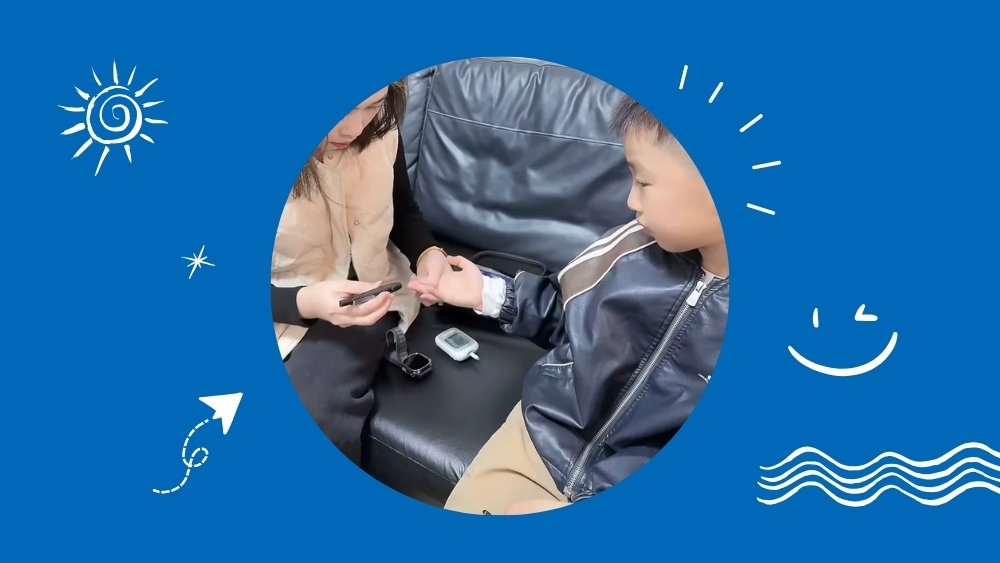
You also need to be careful when giving insulin injections before and after meals (depending on the type of insulin you use).
You should use a brand-new needle for each injection.

Can People with Type 1 Diabetes Eat Fast Food?
Absolutely.
Fast food doesn't automatically mean "bad."
Understanding how carbohydrates, fat, and protein interact gives you more realistic expectations about what may happen not only during the first hour—but also three to five hours later.
Everyone responds differently, so use your glucose data, work with your diabetes care team when making insulin adjustments, and treat every meal as another opportunity to learn.
Fast food can fit into life with type 1 diabetes. Just don't let that cheeseburger catch you by surprise five hours later.
Medical Disclaimer: This article is for educational purposes only and should not replace professional medical advice. Blood glucose responses and insulin needs vary between individuals with type 1 diabetes. Always consult your diabetes care team before making changes to your insulin dosing or diabetes management plan.
References:
- American Diabetes Association. "Make Healthy Choices at a Fast-Food Restaurant." Diabetes.org, https://diabetes.org/food-nutrition/eating-healthy/healthy-choices-fast-food
- MedlinePlus. “Glycemic Index and Diabetes: MedlinePlus Medical Encyclopedia.” Medlineplus.gov, 3 Nov. 2022, medlineplus.gov/ency/patientinstructions/000941.htm.
- Wolpert HA, Atakov-Castillo A, Smith SA, Steil GM. Dietary fat acutely increases glucose concentrations and insulin requirements in patients with type 1 diabetes: implications for carbohydrate-based bolus dose calculation and intensive diabetes management. Diabetes Care. 2013 Apr;36(4):810-6. doi: 10.2337/dc12-0092. Epub 2012 Nov 27. PMID: 23193216; PMCID: PMC3609492.
- Dao GM, Kowalski GM, Bruce CR, O'Neal DN, Smart CE, Zaharieva DP, Hennessy DT, Zhao S, Morrison DJ. The Glycemic Impact of Protein Ingestion in People With Type 1 Diabetes. Diabetes Care. 2025 Apr 1;48(4):509-518. doi: 10.2337/dci24-0096. PMID: 39951019.
- Urban LE, McCrory MA, Dallal GE, Das SK, Saltzman E, Weber JL, Roberts SB. Accuracy of stated energy contents of restaurant foods. JAMA. 2011 Jul 20;306(3):287-93. doi: 10.1001/jama.2011.993. Erratum in: JAMA. 2011 Sep 7;306(9):933. PMID: 21771989; PMCID: PMC4363942.
- Smart CE, Annan F, Bruno LP, Higgins LA, Acerini CL; International Society for Pediatric and Adolescent Diabetes. ISPAD Clinical Practice Consensus Guidelines 2014. Nutritional management in children and adolescents with diabetes. Pediatr Diabetes. 2014 Sep;15 Suppl 20:135-53. doi: 10.1111/pedi.12175. PMID: 25182313.


Leave a comment
All comments are moderated before being published.
This site is protected by hCaptcha and the hCaptcha Privacy Policy and Terms of Service apply.