
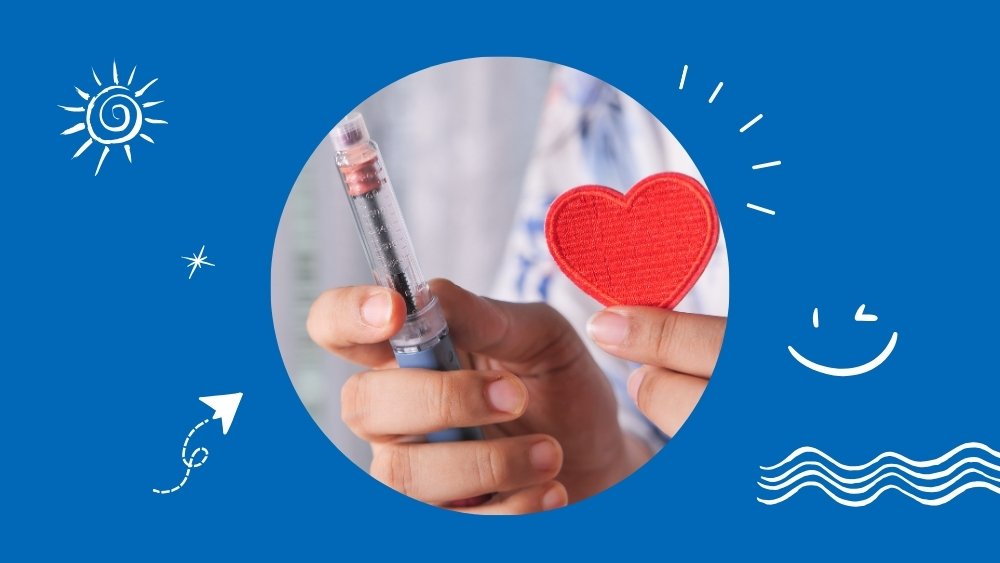
Many long-term users of insulin pens have experienced this: even when using ultra-fine needles, they still feel significant discomfort during injection, or encounter instability during the process. Whilst people often focus on the needle gauge, they tend to overlook the critical part that comes into contact with the skin—the needle hub or base.
In this article, we will delve into the science behind flat-base pen needles, examine relevant research evaluating their injection performance, and explain why the design of the Sensifine Plus offers unique advantages to so many users.
What Is a Flat-Base Pen Needle?

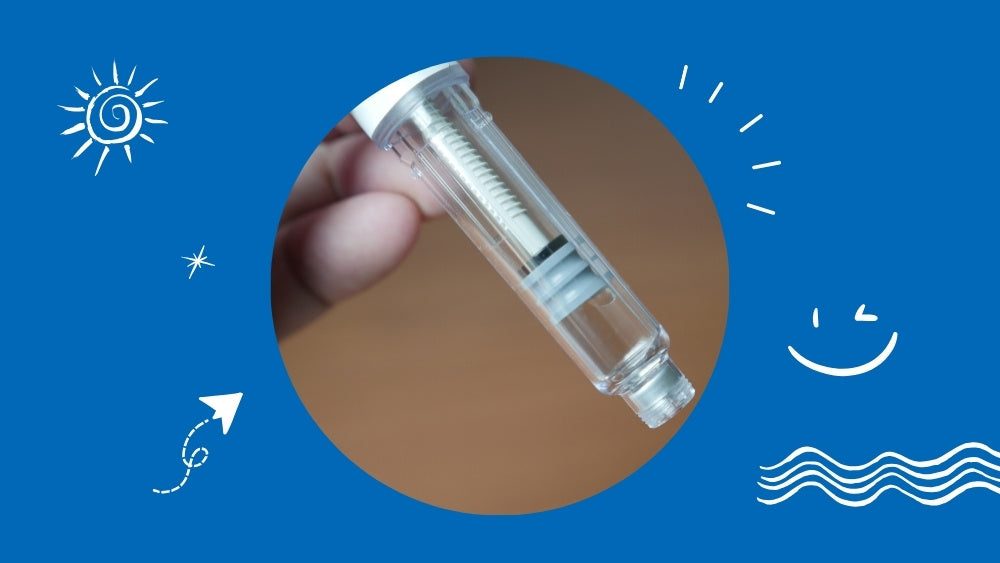
As you can clearly see, flat-base insulin pen needles have a wider base, with the needle tip secured directly to this base. This new-generation design offers the following benefits:
- Greater skin contact area
- Improved stability
- Easier positioning
- Confidence for self-injection
Why Does Needle Base Design Matter?
The needle base not only serves as the mechanism that secures the needle tip, but also comes into direct contact with the skin. The insertion force, penetration consistency, perceived comfort and user preference associated with insulin pen needles are influenced not only by the needle tip, but also by the design of the entire needle assembly.
While many users pay attention to needle length, the base design is often overlooked—even though it can directly affect how stable the injection feels.
The Science Behind Flat-Base Pen Needles
Better Stability During Injection
A flat base offers the following benefits
- A larger contact surface
- Reduces rocking movement
- Helps to maintain a 90° injection angle
This type of needle is easier for beginners to use, simpler for older people to handle, and more suitable for those with limited mobility.
Improved Control and Confidence
Many people managing their diabetes believe that a variety of factors contribute to their anxiety about injections and their failure to adhere to their treatment plan. Discomfort during injections remains a significant cause of non-adherence.
Their biggest obstacle may not be the pain itself, but rather the ‘fear of doing it wrong’. Needle wobble, uncertainty, and inconsistent pressure can lead to planning anxiety.
Precisely for this reason, the flat base facilitates positioning and alignment, and enhances confidence in the injection.
More Consistent Injection Experience
In the context of long-term diabetes management, consistency is more important than momentary comfort. The increased confidence in the insulin management plan—bolstered by the use of flat needles—accumulates over time, ultimately yielding benefits for the long-term management strategy.

Why Sensifine Plus Uses a Flat-Base Design
If you are looking for a more comfortable injection experience, you might consider using flat-base insulin pen needles. These needles feature a flat base design, rather than the traditional round or tapered base. Sensifine Plus insulin pen needles are designed for reliability, stability and comfort.

The flat base allows the needle to lie flush against your skin, enabling you to administer insulin with greater precision and control. During use, you will notice that the needle feels stable and secure. Furthermore, the flat base design effectively reduces the risk of accidentally injecting the medication into muscle tissue. Sensifine Plus insulin pen needles are compatible with the vast majority of insulin pens, so you need not worry about compatibility issues.
FAQs
Are flat-base pen needles more comfortable?
Many users report improved stability and comfort, although individual experiences may vary.
Are flat-base pen needles suitable for beginners?
Yes. The larger contact area may make it easier for first-time users to target the injection site and provide a more comfortable experience. At the same time, the thin-wall technology of Sensifine plus ensures smoother fluid flow without altering the needle size, making the injection process more stable and effortless for those new to insulin management.
Is the Sensifine Plus pen needle suitable for my insulin pen?
Most are designed to be compatible with standard pen injector systems. Always check manufacturer specifications.
References
- Rini C, Roberts BC, Morel D, et al. Evaluating the impact of human factors and pen needle design on insulin pen injection. J Diabetes Sci Technol. 2019;13(3):533-545.
- Aronson R. The role of comfort and discomfort in insulin therapy. Diabetes Technol Ther. 2012 Aug;14(8):741-7. doi: 10.1089/dia.2012.0038. Epub 2012 Apr 26. PMID: 22537418; PMCID: PMC3409452.
- The effect of intensive treatment of diabetes on the development and progression of long-term complications in insulin-dependent diabetes mellitus. The Diabetes Control and Complications Trial Research Group. N Engl J Med. 1993;329:977–986. doi: 10.1056/NEJM199309303291401.
- Peyrot M. Rubin R. Lauritzen T. Skovlund SE. Snoeck FJ. Matthews DR. Landgraf R. Kleinebreil L. Resistance to insulin therapy among patients and providers: results of the cross-national Diabetes Attitudes, Wishes and Needs (DAWN) study. Diabetes Care. 2005;28:2673–2679. doi: 10.2337/diacare.28.11.2673.
- Whooley S, Briskin T, Gibney MA, et al. Evaluating the user performance and experience with a re-engineered 4 mm x 32G pen needle: a randomized trial with similar length/gauge needles. Diabetes Ther. 2019;10(2):697-712.
- Hirsch L, Gibney M, Berube J, Manocchio J. Impact of a modified needle tip geometry on penetration force as well as acceptability, preference, and perceived pain in subjects with diabetes. J Diabetes Sci Technol. 2012;6(2):328-335.
- Stainless steel needle tubing for the manufacture of medical devices—requirements and test methods. ISO 9626. 2016.
- Pen Needle Compatibility Status Summary with Diabetes Care & Non-Diabetes Drug Delivery Devices. Document Number: 149OTH-0004-20 Rev Y – 2025-11-18. 9. Fingertip Formulary, as of 05/16/2023.


Leave a comment
All comments are moderated before being published.
This site is protected by hCaptcha and the hCaptcha Privacy Policy and Terms of Service apply.