
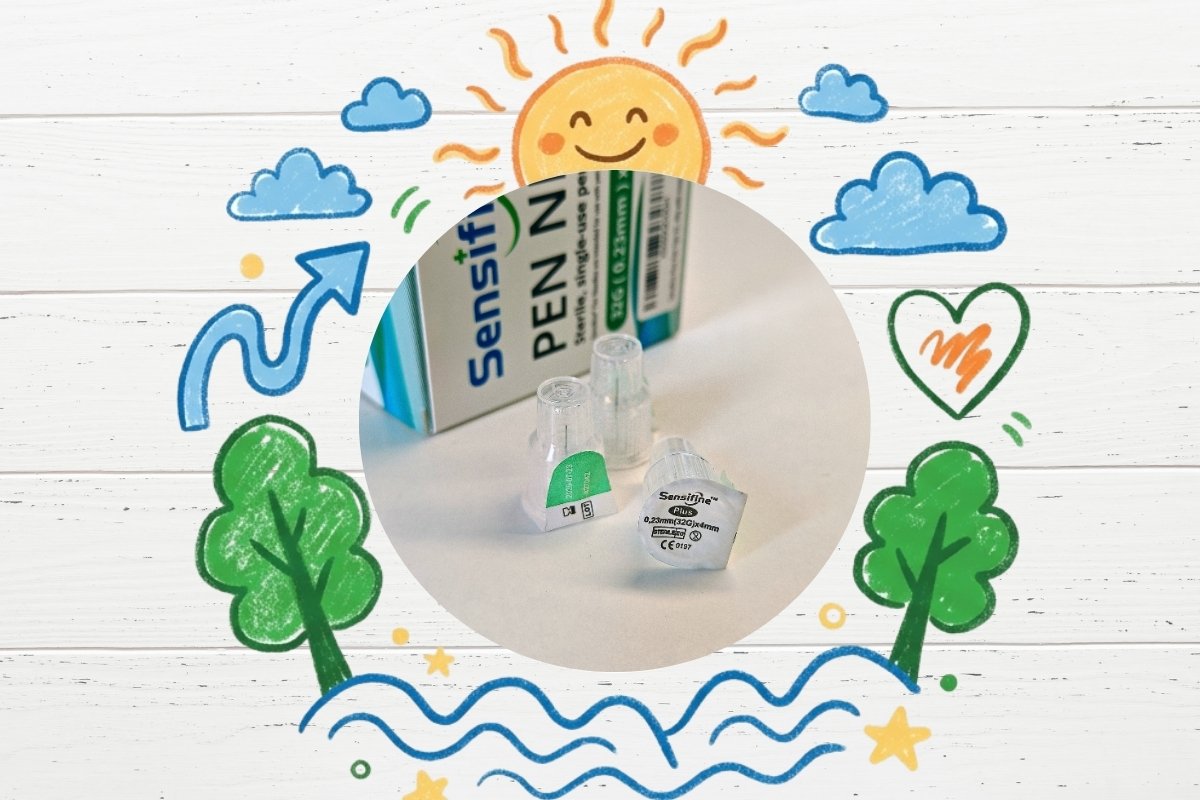
As our society ages, the number of elderly patients with chronic diseases continues to rise, and diabetes is one of the most common chronic conditions today. Some people with diabetes need to inject insulin to control their blood sugar levels. For them, how should they choose the right needle, and can needles be reused? A small needle holds a wealth of important information—let’s take a closer look.

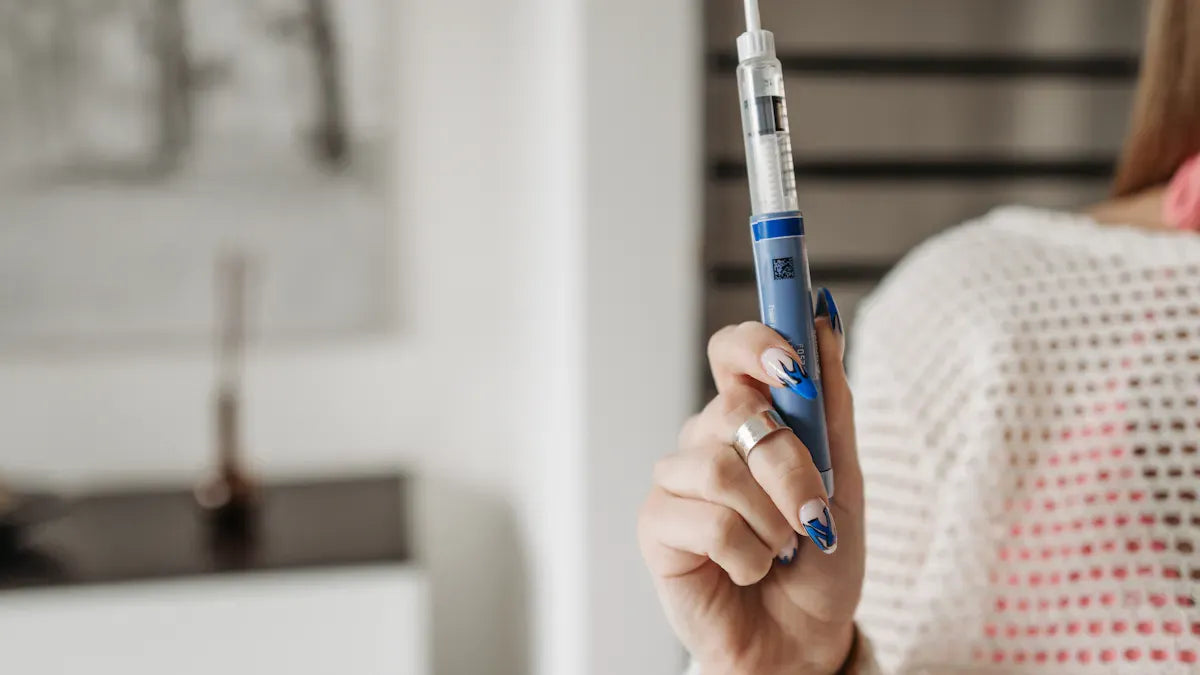
Depending on the type of insulin, different insulin pens can be selected; it is recommended that the pen be compatible with the insulin manufacturer. As an essential tool for subcutaneous insulin injection, insulin needles are universal.
About Insulin Pen Needles
Currently, insulin pen needles are available in lengths of 4 mm, 5 mm, 6 mm, and 8 mm. The primary factors to consider when selecting a needle are its gauge and length.
The thickness of a needle is indicated by the letter “G” (gauge).The higher the number, the thinner the needle.For example:
31G is thinner than 30G
32G is thinner than 31G
In general, thinner needles (higher gauge) are associated with:
- Reduced discomfort during injection
- Less likelihood of minor tissue bruising
Among commonly available options, 32G needles are one of the thinnest, often chosen by users who prioritize a more comfortable injection experience.
Needle Length: Why It Matters
Needle length plays a role in both injection technique and user comfort:
-
4 mm needles
- Can typically be inserted at a 90° angle
- Skin pinching may be needed for very lean individuals or young children -
6 mm and longer needles
- Skin pinching is recommended, especially for upper arm injections -
8 mm needles
- Should be used with a skin fold and inserted at a 45° angle
Shorter needles are generally considered to offer greater ease of use and better tolerance for many people.
Why Reusing Insulin Pen Needles Is Not Recommended
Although it may seem convenient, reusing insulin pen needles can lead to several issues:
-
Increased Discomfort
Most needles are coated with a thin lubricating layer to reduce friction. After one use, this coating can degrade, which may make subsequent injections feel less comfortable.
-
Blockage Risk
Used needles may contain:Residual insulin crystals/Body fluids/Microscopic debris.
These can accumulate and potentially interfere with the flow of insulin. -
Reduced Dose Accuracy
Repeated use may lead to deformation of the needle tip. This may result in: medication leakage during injection, and inconsistent infusion doses.
-
Skin Changes at Injection Sites
Repeatedly reusing needles may lead to the formation of indurations or tissue thickening in the subcutaneous tissue.
-
Increased Risk of Contamination
A compromised needle surface may create conditions where bacteria can accumulate, potentially increasing the risk of localized skin issues.
Additionally, not changing the needle after each use may allow contaminants to enter the insulin cartridge.
Common Misconceptions About Insulin Pen Needle Use
“It’s fine as long as I’m the only one using it.”
This is a widespread belief—but even with single-person use, repeated use can still lead to the issues outlined above.
“I can disinfect the needle and reuse it.”
Insulin pen needles are manufactured as single-use medical devices.Disinfection methods such as wiping, soaking, or boiling are not recommended
Alcohol, in particular, may:
-Affect the insulin if it enters the cartridge
-Damage the needle’s lubricating coating
In short, trying to “clean” a single-use needle is a bit like washing a paper towel and hoping it works the same—technically possible, but not exactly reliable.
Real-World Challenges and Better Practices
Recent observations suggest that some individuals—especially older adults managing diabetes at home—may encounter challenges such as:
- Inconsistent dosing
- Irregular injection timing
- Limited rotation of injection sites
In an effort to reduce costs, some people reuse disposable needles. However, this approach may introduce additional complications rather than preventing them.

General best practices include:
- Using a new needle for each injection
- Checking that the needle is unobstructed before use
- Following the instructions provided with your device
If a needle cannot be replaced immediately due to specific circumstances, limiting the duration of use and checking its condition before each injection may help reduce potential issues.
Disclaimer: This article is for informational purposes only and does not constitute medical advice. Be sure to consult a qualified healthcare professional before using any product!

Leave a comment
All comments are moderated before being published.
This site is protected by hCaptcha and the hCaptcha Privacy Policy and Terms of Service apply.