
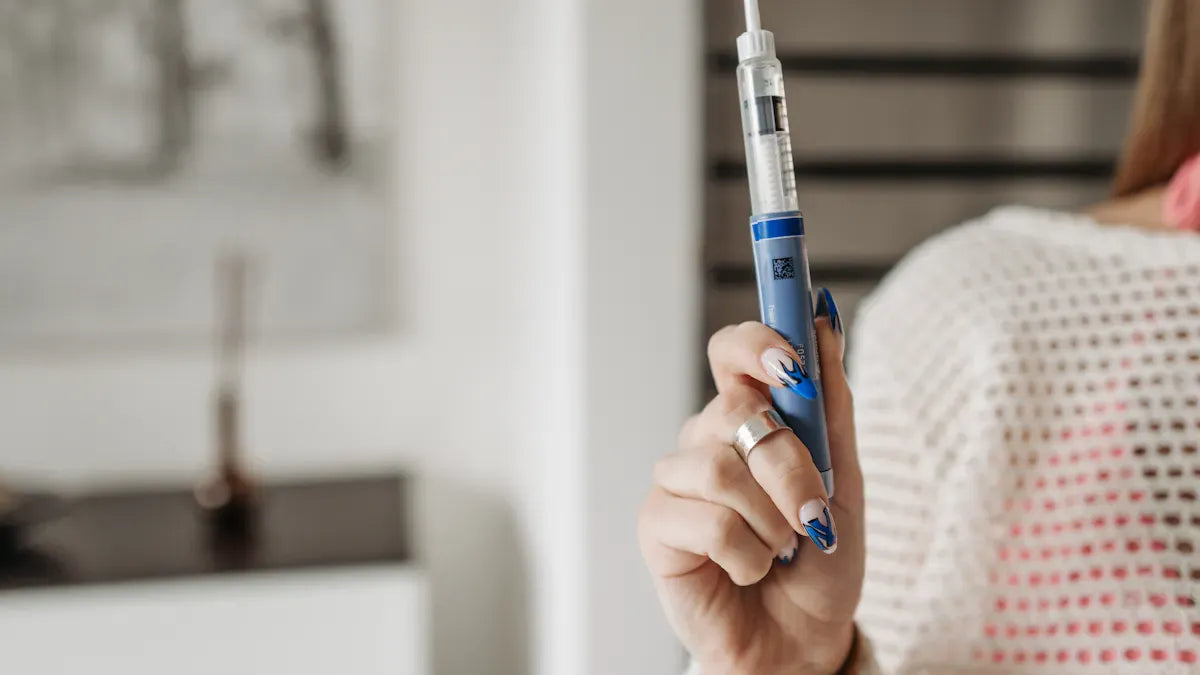
Choosing the best insulin pen needle needs careful thinking. You should look at length, gauge, comfort, safety, compatibility, and cost. Many people with diabetes reuse their needles. Some people with type 2 diabetes mellitus do this too. Human factors like confidence and ease of use matter. Pain can also affect your choice. Needle length and gauge are important technological factors. Regulatory factors include dosing accuracy and sterility. Sensifine will soon sell good diabetes supplies. You will see options like Sensifine Plus Pen Needles 32G. Ask healthcare professionals for help. Insulin delivery methods keep changing for diabetes and type 2 diabetes mellitus.
-
50.0% of people with diabetes reuse insulin pen needles.
-
70.2% reuse 2–5 times; 29.8% reuse 6 or more times.
-
Human factors: confidence, ease of use, pain, functional status.
-
Technological factors: needle length, gauge, insulin viscosity.
-
Regulatory factors: dosing accuracy, sterility, shelf-life stability.
Key Takeaways
-
Pick the best insulin pen needle by looking at length, gauge, comfort, and safety. Shorter and thinner needles usually hurt less. They are also easier to use.
-
Always use a new needle every time you inject. Using the same needle again can cause pain. It can also cause infection and wrong dosing.
-
Talk to your healthcare provider for advice about insulin pen needles. They can help you choose the best needle for your body, age, and diabetes care.
Insulin Delivery Methods Overview
Comparing Insulin Pen Devices and Syringes
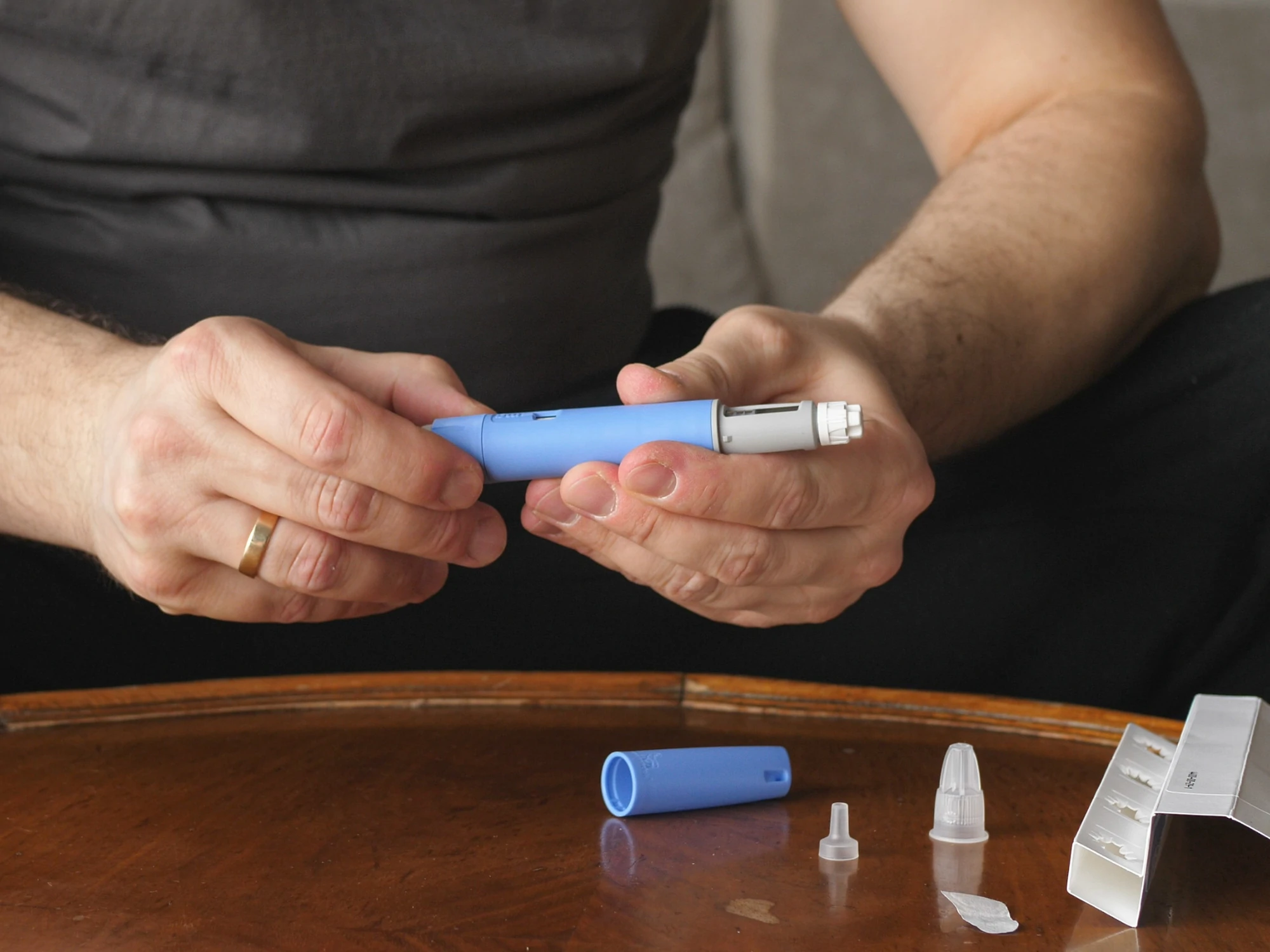
There are different ways to take insulin for diabetes. Some ways are syringes, insulin pen devices, pod therapy, pumps, inhaled insulin, and disposable insulin patches. Insulin pen devices are now very popular. They make it easier to care for diabetes. The table below shows how insulin pen devices and syringes are different:
|
Evidence Type |
Insulin Pen Users |
Syringe Users |
|---|---|---|
|
Pain during injection |
Less pain |
More pain |
|
Bruising incidents |
Fewer incidents |
More incidents |
|
Hypoglycemic episodes |
Minimal episodes |
More episodes |
|
Ease of use |
95.2% found easy |
46.7% found easy |
|
Optimal HbA1C levels |
22.2% maintained |
2.2% maintained |
Insulin pen devices hurt less and cause fewer bruises. Most people say they are easy to use. You can control your blood sugar better with insulin pen devices.
Benefits of Insulin Pen Devices
Insulin pen devices have many good points for diabetes care. They make taking insulin more convenient. You can use them quietly in public places. You may have fewer low blood sugar episodes and less pain. Insulin pen devices help you feel safer and more confident. The table below shows more benefits:
|
Benefit |
Insulin Pen Devices |
Traditional Syringes |
|---|---|---|
|
Pain during injection |
Less |
More |
|
Incidents of bruising |
Fewer |
More |
|
Hypoglycemic episodes |
Fewer |
Comparable |
|
Convenience of insulin delivery |
Greater |
Less |
|
Discreet use in public |
Easier |
Harder |
You should think about cost and if the device works with your insulin. Insulin pen users pay more each month than syringe users. You might spend three times more for insulin pen devices. But you get easier use and better control of your diabetes.
Key Factors for Pen Needles for Insulin
Picking the right pen needles for insulin is important. It can help you take care of your diabetes better. You should think about length, gauge, comfort, safety, compatibility, and cost. Each thing can change how you manage your diabetes. It also affects how you feel about your daily shots.
Needle Length and Gauge
Pen needle length matters for safe insulin delivery. Most people with diabetes use short pen needles, like 4 mm. Studies show 4 mm needles put insulin in the right layer under your skin. This layer helps your body absorb insulin well. Even if you are bigger, your skin is usually less than 2.7 mm thick. So, a 4 mm needle works for almost everyone. People like short pen needles because they hurt less. They are also easier to use. Less pain makes it easier to stick to your insulin plan.
The gauge tells you how thick the needle is. Higher gauge numbers mean the needle is thinner. Thinner needles, like 31-gauge or 32-gauge, hurt less. This is good if you are scared of needles or if you are a kid. Thicker needles, with lower gauge numbers, are needed for thicker insulin or other medicines. Ask your healthcare provider to help you pick the best needle for comfort and good insulin delivery.
|
Aspect |
Findings |
|---|---|
|
Needle Gauge |
Thinner needles (higher gauge numbers) cause less pain. |
|
Pain Perception |
Needle length and thickness change how much pain you feel. |
|
Insulin Delivery Efficiency |
Thicker needles (lower gauge numbers) are needed for thick medicines. |
|
Risk of Complications |
Shots in the wrong layer can cause more low blood sugar. |
Comfort and Safety Features
Comfort is important when you use pen needles for insulin every day. New designs make shots hurt less and are easier to use. Shorter and thinner pen needles for insulin cause less pain than older, longer ones. Some brands use extra-thin walls. This helps insulin flow better and makes shots smoother. Many people with diabetes feel more confident and less worried with these new pen needles for insulin.
Safety features matter too. Some pen needles for insulin have shields that cover the needle after you use it. This stops you from getting poked by accident. Never put the cap back on a used pen needle. Always throw used pen needles for insulin in an FDA-cleared sharps container. Do not put them in the regular trash. This keeps you and others safe.
|
Safety Feature |
Description |
|---|---|
|
Shields cover the needle after use to stop accidents. |
|
|
Proper Disposal Methods |
Used needles go in FDA-cleared sharps containers, not in the trash. |
|
Avoid Recapping |
Do not put the cap back on after using the needle. |
Tip: Pick pen needles for insulin with comfort features and safety shields. This can make your shots easier and safer.
Compatibility With Insulin Pen
You need to make sure your pen needles for insulin fit your insulin pen. Most big brands of insulin pens work with many types of pen needles for insulin. For example, Lilly, Novo Nordisk, Sanofi, and Viatris pens fit third-party pen needles for insulin. Always check the box or ask your pharmacist to be sure. Using the right pen needles for insulin stops leaks and helps you get the right dose.
-
Lilly: KwikPen (Basaglar, Humalog, Humulin, Mounjaro, Rezvoglar, Zepbound), Tempo Pen
-
Novo Nordisk: FlexPen (Novolin, NovoLog), FlexTouch (Fiasp, Levemir, Tresiba), Ozempic, Saxenda, Victoza, Xultophy, NovoPen Echo, Wegovy, Awiqli
-
Sanofi: SoloStar (Admelog, Apidra, Lantus, Toujeo), Soliqua
-
Viatris: Semglee
Cost Considerations
The cost of insulin therapy can be high, especially if you use pen needles for insulin every day. Some insurance plans pay for pen needles for insulin, but coverage is different for everyone. Check with your insurance provider to see what is covered. Generic or store-brand pen needles for insulin can save you money. You may also find coupons or savings programs from companies. Always balance cost with quality and safety. Do not reuse pen needles for insulin to save money. Reusing can cause pain, infection, or dosing mistakes.
Note: The cost of insulin therapy includes insulin, pen needles for insulin, and safe disposal supplies. Plan ahead so you do not run out of what you need.
Pen needles for insulin are important for managing diabetes. Think about length, gauge, comfort, safety, compatibility, and cost. This helps you pick the best pen needles for your needs. Short pen needles and comfort features can make your daily routine easier. Always talk to your healthcare provider before changing your pen needles for insulin.
Matching Best Pen Needles for Insulin to Your Needs
Body Type and Age
Think about your body and age when picking pen needles for insulin. Your skin and fat layers are different from others. The fat under your skin decides how deep the needle should go. If you have less fat, a short needle helps you avoid your muscle. This helps you control your diabetes better.
Here is a table that shows how your body type and needle length are related:
|
Evidence Description |
Key Insight |
|---|---|
|
The risk of intramuscular injection is likely to increase with longer insulin needles and lower BMI. |
Body type, especially BMI, affects the risk of injecting too deep. |
|
The amount of subcutaneous fat plays a significant role in determining the appropriate needle length. |
People with less fat under the skin need shorter needles to avoid muscle injection. |
Your age is important too. Kids, teens, adults, and older people all need different things. The table below gives a quick guide:
|
Age Group |
Recommended Needle Size |
Gauge |
Considerations |
|---|---|---|---|
|
Adolescents (13-18 years) |
4-5mm |
31-32G |
Fat under the skin is still developing |
|
Adult Patients (19-65 years) |
5-6mm |
31G |
Comfort and injection efficiency |
|
Elderly Patients (> 65 years) |
5-6mm |
30-31G |
Skin gets thinner and less elastic |
If you are not sure which needle to pick, ask your healthcare provider. They can help you choose the best pen needles for insulin for your body and age.
Injection Technique and Lifestyle
How you give yourself insulin changes your diabetes care. The way you inject can change how your body uses insulin. If you do not change where you inject, you might get lumps. These lumps are called lipohypertrophy. Lumps can make it harder for your body to use insulin.
Here is a table that shows how your technique affects your diabetes:
|
Key Findings |
Impact on Insulin Absorption and Patient Outcomes |
|---|---|
|
Not rotating injection sites |
High chance of lumps (lipohypertrophy) |
|
Reusing pen needles often |
You may need more insulin and your body may not absorb it well |
|
Learning proper technique |
Less needle reuse and better diabetes management |
A study found that putting insulin into muscle by mistake can make your blood sugar go up and down. This makes it harder to keep your diabetes under control. Always use the right way to inject to help your treatment work.
Your lifestyle matters too. If you are active, you may need insulin more often than someone with a pump. Insulin pens are easy to carry and use. This helps if you travel or have a busy life. Think about your daily routine, where you take your shots, and what feels best for you.
-
Active people should think about how often they need insulin compared to using a pump.
-
Insulin pens are easy to carry and use, which is good for busy or active lives.
-
Your work, travel, and habits matter when you choose between pens and vials.
Tip: Good injection technique and the right needle help you stick to your diabetes plan and make your treatment better.
Special Considerations for Children and Elderly
Kids and older people have special needs with insulin shots. Kids need extra care because they are still growing. They should always change where they inject and use each needle only once. This stops lumps and helps control their diabetes.
Caregivers can use fun ways to teach kids about shots. Playing with teaching dolls helps kids learn and feel less scared. For kids under six, use a 4-mm pen needle or a 6-mm syringe at a 45-degree angle. Always inject into a raised skin fold.
Older people may have trouble using pen needles. They might have problems with their hands or eyes. This can make it hard to use the pen or see the needle. Some older people have had needle tips left under their skin by mistake. If you care for an older person, watch for these problems and help them with their shots.
-
Older people may have trouble with injection technique and using the pen.
-
Problems with hands and eyes can make insulin shots harder.
-
Caregivers should look for problems, like pain or swelling at the injection site.
Note: If you care for a child or older person with diabetes, always use safe injection steps. Change sites, use each needle once, and ask for help if you see any problems.
Picking the best pen needles for insulin means thinking about your body, age, how you inject, and your daily life. Kids and older people need extra help to stay safe and healthy. Talk to your healthcare provider if you have questions about your diabetes care.
Safe Use of Insulin Pen Needles
Proper Injection Sites and Rotation
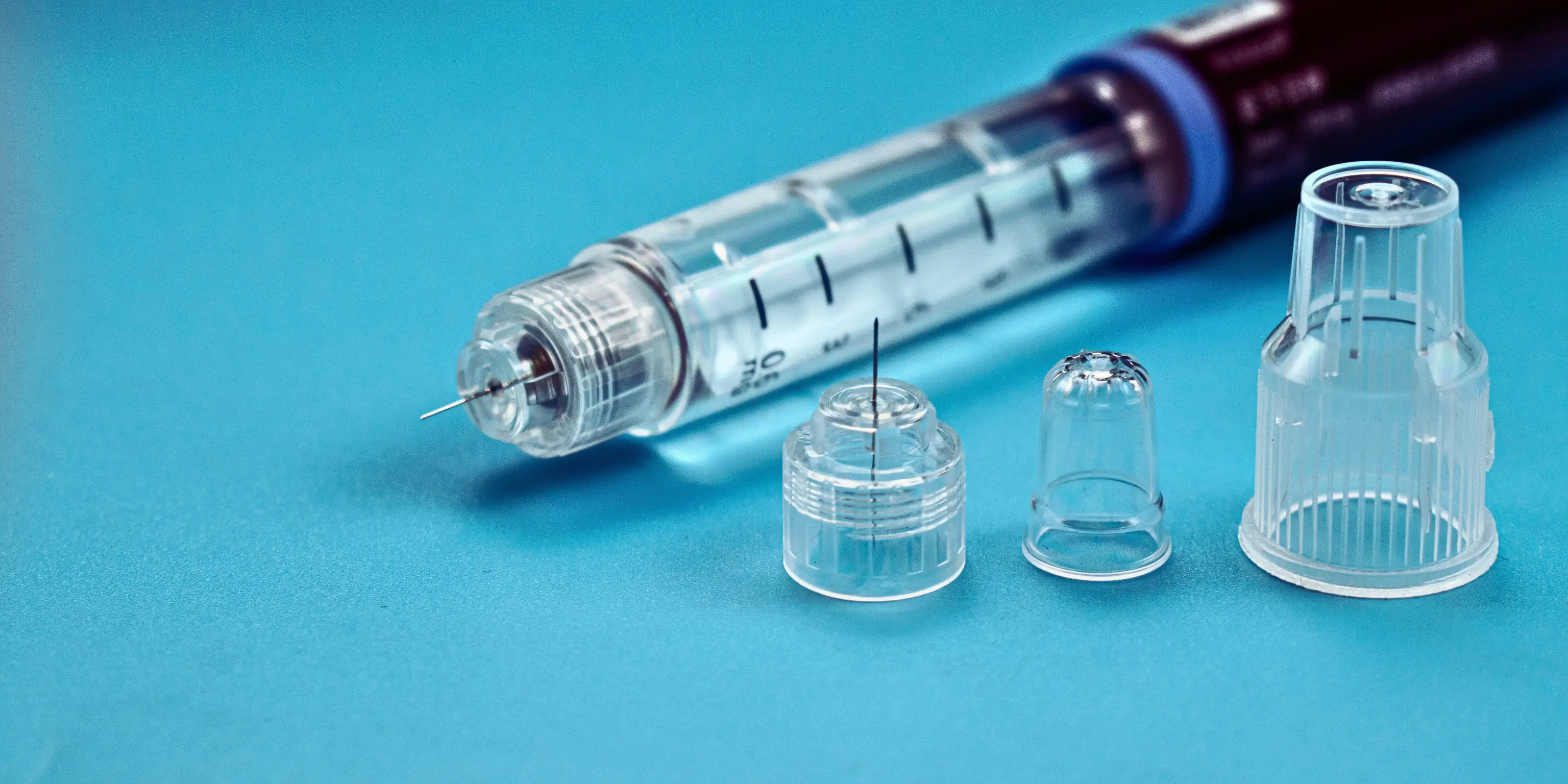
You need to pick the right places on your body for insulin shots. This helps your body use insulin well and keeps your skin healthy. Always wash your hands before you give a shot. Make sure your skin is clean too. The best spot for insulin is your belly. Shots here let your body use insulin fast and steady. Do not use spots with scars, moles, or marks. These can change how your body uses insulin.
-
Give your shot straight into your skin at a 90-degree angle.
-
Use 4-mm safety pen needles to avoid hitting muscle.
-
Change where you give your shots each time. Move at least 1 cm, or about an inch, from your last spot.
-
Never use the same spot two times in a row.
-
Keep a chart or use a phone app to remember your shot spots.
Changing your shot spots stops lumps under your skin. These lumps are called lipohypertrophy. This makes your diabetes care safer and helps your shots work better.
|
Evidence Type |
Description |
|---|---|
|
Site Rotation Plan |
A good plan for changing spots stops lumps from forming. |
|
Injection Techniques |
Using the right way to give shots lowers your risk of skin problems. |
|
Smartphone Applications |
Apps help you remember your last shot spot. |
Single-Use and Safe Disposal
You should use each safety pen needle only one time. Using them again can hurt, cause infection, or make your dose wrong. Always throw away used needles right after your shot. Put them in a sharps container made for pen needles. Never put used needles in the trash or recycling bin.
-
Use each needle for just one shot.
-
Put used safety pen needles in an FDA-cleared sharps container.
-
Keep your home and others safe by following the right rules for throwing needles away.
Safe habits with insulin pen needles protect you and everyone around you. Good steps for shots and throwing away needles help you take care of your diabetes every day.
Myths and Mistakes With Insulin Pen Needles
Needle Length and Thickness Myths
Some people think longer and thicker needles work better for diabetes shots. You might believe a bigger needle is needed for your body. This idea is not correct. Shorter and thinner needles hurt less and are easier to use. Most people with diabetes use 4- to 8-mm needles. These sizes work for almost everyone, even if you are thin or overweight. Skin thickness is about the same for most people. Shorter needles reach the right spot under your skin. Thinner needles, like 28- to 31-gauge, cause less pain and slide in easily. Studies show short needles do not change how well insulin works or cause leaks.
-
Short needles help you avoid hitting muscle, which can hurt more.
-
Thin needles make shots less painful and simple to use.
-
With 4- to 6-mm needles, you usually do not need to pinch your skin.
Risks of Reusing Needles
Some people reuse pen needles to save money or time. This can cause big problems. Using needles again raises the risk of lumps, pain, bleeding, and leaks where you inject. You could have issues like a needle tip breaking off in your skin. Old needles get dull and make shots hurt more. Used needles can collect germs, which may cause infection. Clogged needles can stop insulin from working right and mess up your blood sugar.
-
Reusing needles causes more pain and can lead to infection.
-
Damaged needles make it harder to control your diabetes.
-
Always use a new needle for every shot.
Misconceptions About Pain and Effectiveness
You might think diabetes shots always hurt. New insulin pen needles are made to hurt less. Many people say their shots do not hurt much at all. The idea that insulin shots always hurt is old and not true now. You can trust that short and thin needles work well. These needles give insulin the right way and help you stay safe.
Tip: Pick the right needle size and use a new one each time. This helps you avoid pain and keeps your diabetes care working well.
When to Consult Your Healthcare Provider
Changing Needs or Problems
Talk to your healthcare provider if your diabetes care changes. If you start using insulin pens, ask for help. Your provider can teach you how to use them. Regular visits help you control your diabetes. If your blood sugar is too high or low, ask for advice. These changes might mean you need a new plan. You may need to switch pen needles if you feel pain, see redness, or notice swelling after shots.
Tip: Do not ignore new problems with your diabetes care. Your provider can help you stay safe.
Here are signs you should call your provider:
-
You feel pain or discomfort when you take shots.
-
You see changes on your skin where you inject.
-
You have trouble using your insulin pen.
-
Your blood sugar goes up and down a lot.
Questions About Compatibility or Insurance
You might wonder which pen needles fit your insulin pen or what insurance pays for. Your provider can help you pick the right supplies. Some pens only work with certain insulins. Each pen has its own dose limits. Insurance may pay for some brands but not others. Sometimes, you need special forms to get your diabetes supplies.
|
Topic |
Details |
|---|---|
|
Type of Insulin |
Some pens only fit certain insulins. |
|
Insulin Dosing Needs |
Pens have different dose limits and increments. |
|
Insurance Coverage |
Check if your plan covers your diabetes supplies. |
|
DME Coverage |
Some reusable pens are covered as durable medical equipment. |
|
Brand Restrictions |
Some plans limit which brands you can use. |
|
Documentation for Medical Necessity |
You may need proof that a certain pen or needle is needed for your diabetes. |
If you react to a needle or need a special kind, your provider can help with the forms. Always ask if you are not sure about your diabetes supplies or insurance.
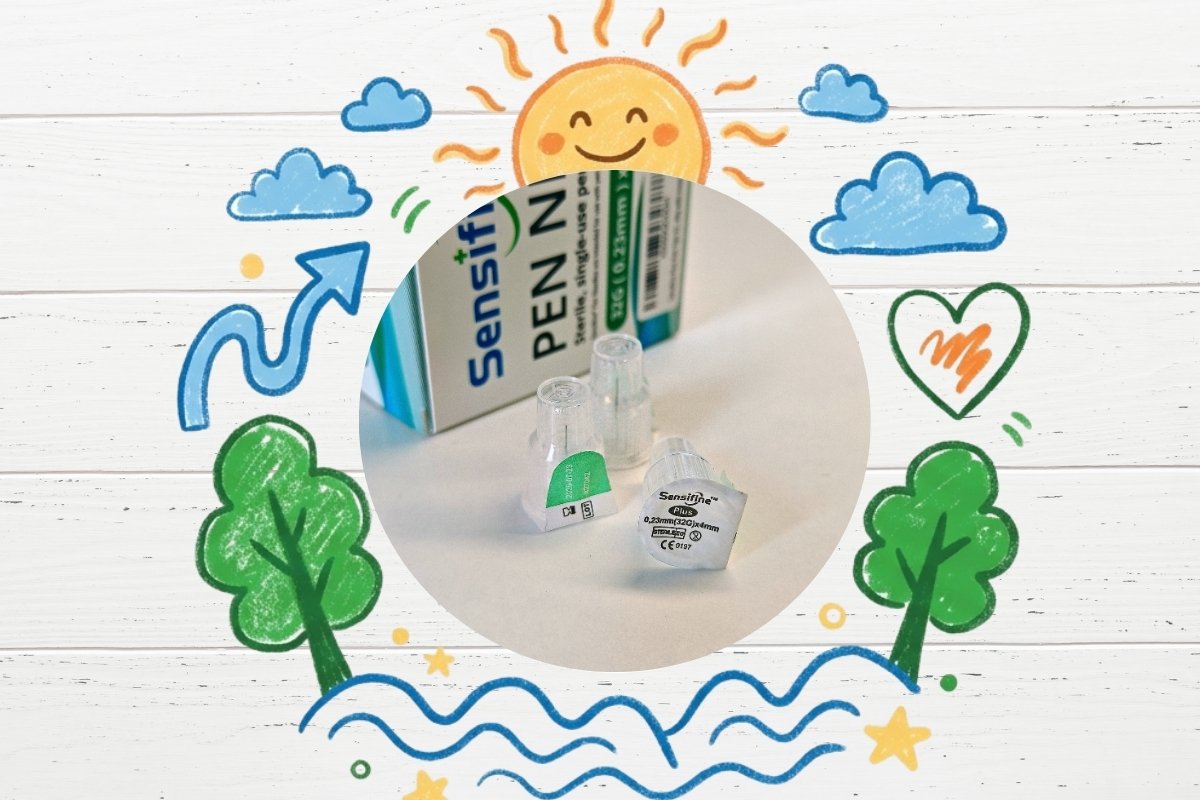
You should pick the best insulin pen needle for diabetes. Think about length, gauge, comfort, and safety. Diabetes changes how you live every day. You need to use the right way to give shots. The right supplies help you manage diabetes better. Your needs for diabetes can change over time. Talk to your doctor if you have questions. Diabetes supplies help you stay well. Safety is important for diabetes care. Make sure your diabetes needle fits your pen. Diabetes can cost a lot of money. Good tools make your daily routine easier. Watch for Sensifine’s new diabetes supplies.
FAQ
What is the best needle length for diabetes injections?
Most people should use a 4-mm needle for diabetes shots. This size is good for kids, adults, and older people with diabetes.
Can you reuse insulin pen needles for diabetes?
Never use the same pen needle for diabetes more than once. Using it again can hurt, cause infection, and make it harder to control diabetes. Always pick a new needle for every shot.
How do you safely dispose of diabetes pen needles?
Put used diabetes pen needles in a sharps container that is FDA-cleared. This keeps you and others safe from getting poked and helps you take care of diabetes the right way.
Tip: Throwing away diabetes supplies the right way keeps your family and community safe.
-
Always follow your local rules for throwing away diabetes needles.
-
Ask your diabetes care team if you need more help.
|
Step |
What You Should Do for Diabetes Care |
|---|---|
|
Use a new needle |
For every diabetes shot |
|
Dispose in sharps box |
Right after each diabetes shot |
|
Never throw in trash |
Used diabetes needles |
Sources
-
Centers for Disease Control and Prevention (CDC). 4 Ways to Take Insulin.
-
Ragnar Hanas 1, Carine de Beaufort, Hilary Hoey, Barbara Anderson. Insulin delivery by injection in children and adolescents with diabetes.
-
Kamrul-Hasan, A.B.M., Hannan, M.A., Alam, M.S. et al. Comparison of simplicity, convenience, safety, and cost-effectiveness between use of insulin pen devices and disposable plastic syringes by patients with type 2 diabetes mellitus: a cross-sectional study from Bangladesh. BMC Endocr Disord 23, 37 (2023). https://doi.org/10.1186/s12902-023-01292-8
-
B. Shah, R., Patel, M., M. Maahs, D., & N. Shah, V. (2016). Insulin delivery methods: Past, present and future. , 6(1), 1-9. https://doi.org/10.4103/2230-973X.176456
Disclaimer: This article is for informational purposes only and does not constitute medical advice. Be sure to consult a qualified healthcare professional before using any product!


Leave a comment
All comments are moderated before being published.
This site is protected by hCaptcha and the hCaptcha Privacy Policy and Terms of Service apply.