
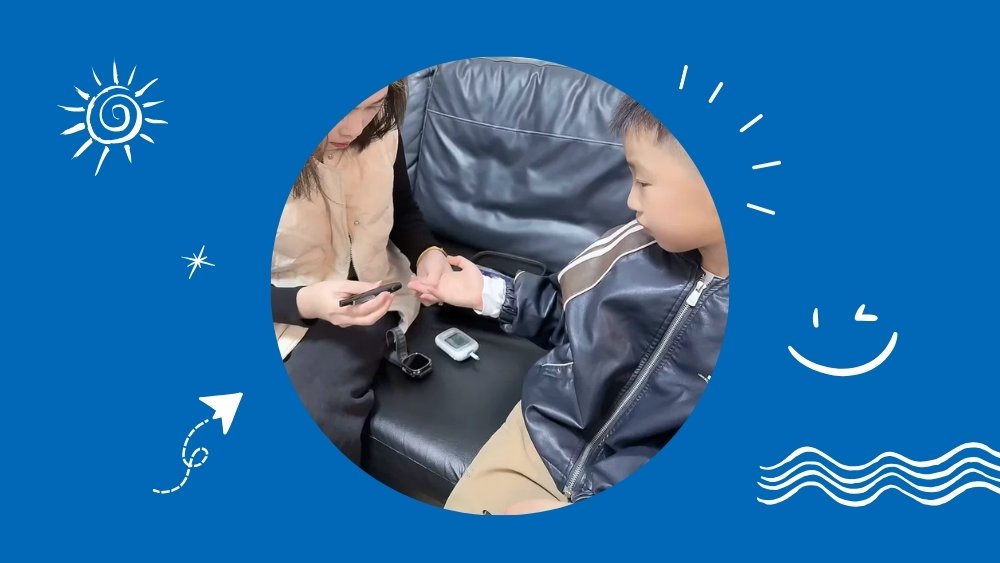
Recently, we spoke with Ashley, the mother of a child living with Type 1 diabetes (T1D). Like many parents, she still remembers the uncertainty that followed the diagnosis. Today, their daily life looks very different—not because diabetes has gone away, but because diabetes management has gradually become part of the family's routine.
We summarized some of the most meaningful parts of our conversation.
"We Don't Treat Him Differently"
Sensifine: We noticed your son is energetic and enjoys playing just like other kids. You also seem to pay close attention to his meals.
Ashley: That's true. My husband and I care a lot about what he eats, but we don't treat him as if he's fragile. We believe he simply needs a little more preparation than most children.
Focusing on Consistency Instead of Perfection
Sensifine: How do you usually plan his meals?
Ashley: We don't chase the idea of a "perfect diet." Instead, we try to keep meals as consistent as possible. Blood glucose management is important, of course, but we're equally focused on making sure he gets the nutrition he needs to grow.
Every day, we prepare balanced meals with different carbohydrate sources, lean proteins, and plenty of vegetables. For carbohydrates, we often choose foods like corn, oats, and buckwheat instead of relying heavily on refined starches. Beef and chicken are our family's main protein choices, and every week we also include fish and shrimp.
Sometimes he wants pizza or ice cream like every other kid. We don't automatically say no. We simply plan ahead, count carbohydrates carefully, and adjust insulin according to his diabetes care plan.
That flexibility has made life much easier for everyone.
School Is About Preparation, Not Restrictions
Sensifine: Many parents worry most about school. How has that experience been?
Ashley: We were nervous at first. Before he started school, we met with his teacher, the school nurse, and several staff members. We explained what Type 1 diabetes is, what low blood sugar looks like, and what to do in an emergency.
Now he carries his diabetes supplies with him, and the adults around him know how to help if needed.
As he's grown older, we've also encouraged him to understand his own diabetes. He knows when to tell an adult if he feels different, and he's becoming more confident every year.
That independence gives us peace of mind.
Exercise Is Part of Everyday Life
Sensifine: Does diabetes affect his physical activities?
Ashley: Not really. He loves soccer and riding his bike.
We usually check his blood glucose before activities, bring quick-acting carbohydrates just in case, and monitor how exercise affects him afterward. Every child responds differently, so we've learned from experience what works best for him.
We never want diabetes to stop him from doing what he enjoys.
Final Thoughts
Every child living with Type 1 diabetes has unique medical needs, and diabetes management should always follow the guidance of their healthcare team. However, Ashley's story highlights something many families eventually discover: daily routines can make diabetes feel more manageable.
Balanced nutrition, thoughtful preparation, regular physical activity, open communication with schools, and growing independence all contribute to helping children with Type 1 diabetes thrive.
There may not be a perfect routine, but building consistent habits—one meal, one school day, and one step at a time—can make a meaningful difference for the whole family.
Note: This article is not a complete interview, but rather a summary of selected portions of the recording, compiled by Sensifine’s editorial staff.



Leave a comment
All comments are moderated before being published.
This site is protected by hCaptcha and the hCaptcha Privacy Policy and Terms of Service apply.